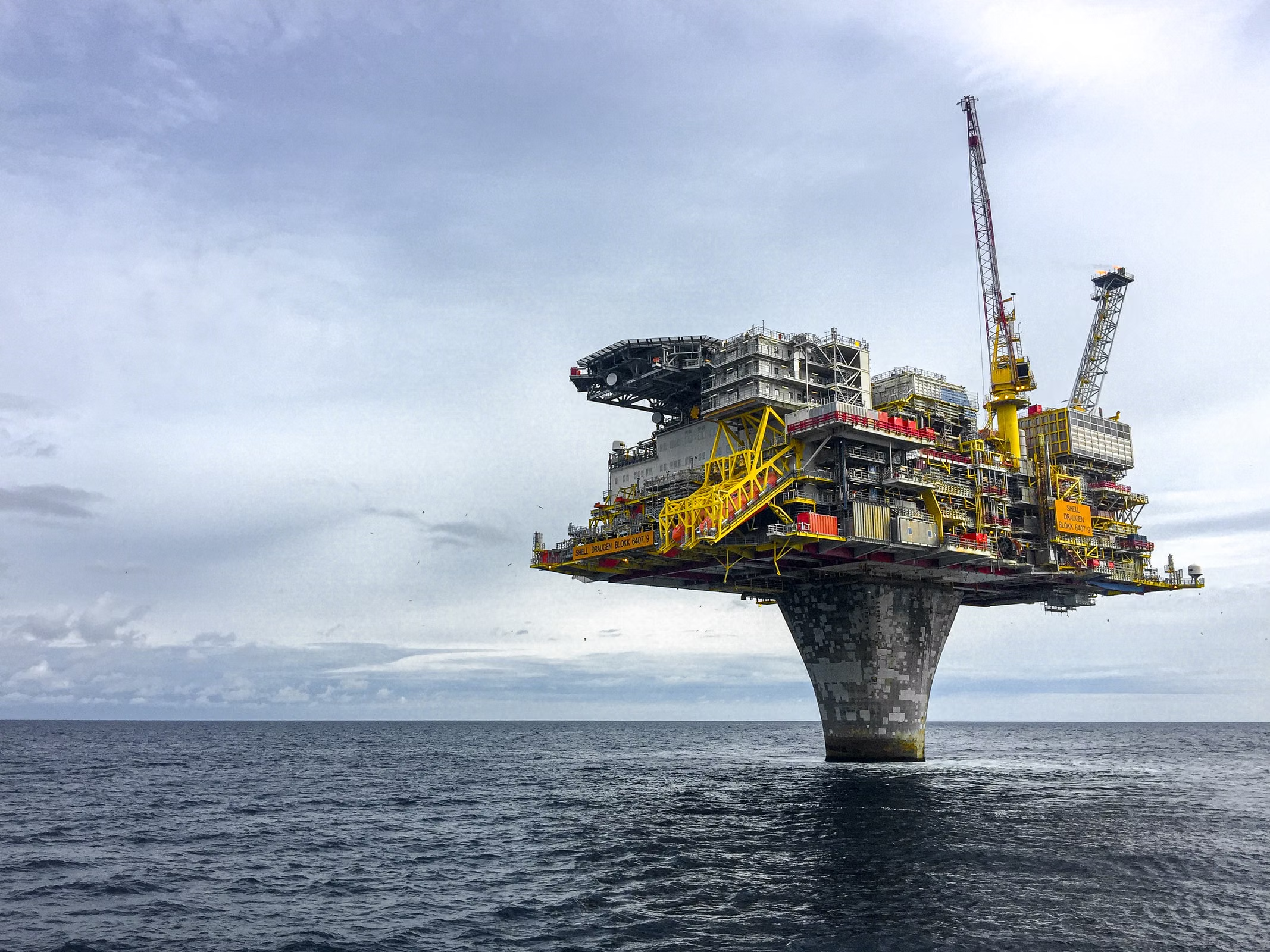
Offshore oil rig operations form a highly specialized and technically demanding segment of the global energy and maritime industry. Offshore drilling units and production platforms are designed to explore, extract, and process oil and gas resources from beneath the seabed, often in challenging offshore environments. For job seekers, offshore oil rig careers offer excellent earning potential, international exposure, technical skill development, and opportunities to work with advanced industrial equipment and safety systems. For offshore operators, skilled personnel are essential to maintaining safe, efficient, and environmentally responsible operations. This section focuses exclusively on offshore oil rig careers and the wide range of opportunities available in the offshore energy sector.
What Is Offshore Oil Rig Work?
Offshore oil rig work refers to all operational, technical, maintenance, and support activities carried out on offshore drilling rigs, production platforms, and related vessels. These roles include drilling operations, mechanical and electrical maintenance, instrumentation, safety management, logistics, catering, and accommodation services. Offshore operations are governed by strict international safety, environmental, and operational standards due to the high-risk nature of the industry. Personnel are trained to work in remote locations, follow disciplined procedures, and respond effectively to emergencies while maintaining continuous production and operational reliability.
Skills Required for Offshore Oil Rig Jobs
Working on an offshore oil rig requires strong technical ability, safety awareness, physical fitness, and the capacity to work in demanding conditions. Personnel must be comfortable living and working offshore for extended periods and collaborating with multicultural teams. Key skills include teamwork, problem-solving, communication, time management, attention to detail, and the ability to follow strict safety procedures. Technical roles may require knowledge of mechanical systems, electrical systems, drilling equipment, hydraulics, instrumentation, or industrial maintenance. Many offshore employers provide specialized training and safety certifications for new entrants.
Jobs and Career Opportunities
Drilling Operations
Drilling crews operate and monitor drilling equipment, handle drill pipes, assist with well operations, and support safe and efficient drilling activities on the rig.
Mechanical and Electrical Maintenance
Technicians maintain engines, pumps, compressors, generators, cranes, electrical systems, and other critical equipment to ensure continuous offshore operations.
Instrumentation and Control Systems
Instrumentation personnel manage sensors, control panels, automation systems, alarms, and monitoring equipment that support safe production and drilling performance.
Safety, Health, and Environment
Safety professionals oversee risk assessments, emergency preparedness, permit-to-work systems, environmental protection measures, and compliance with offshore regulations.
Catering and Accommodation Services
Support staff manage food preparation, housekeeping, laundry, and accommodation facilities to maintain the comfort, hygiene, and well-being of offshore personnel during their rotation.